
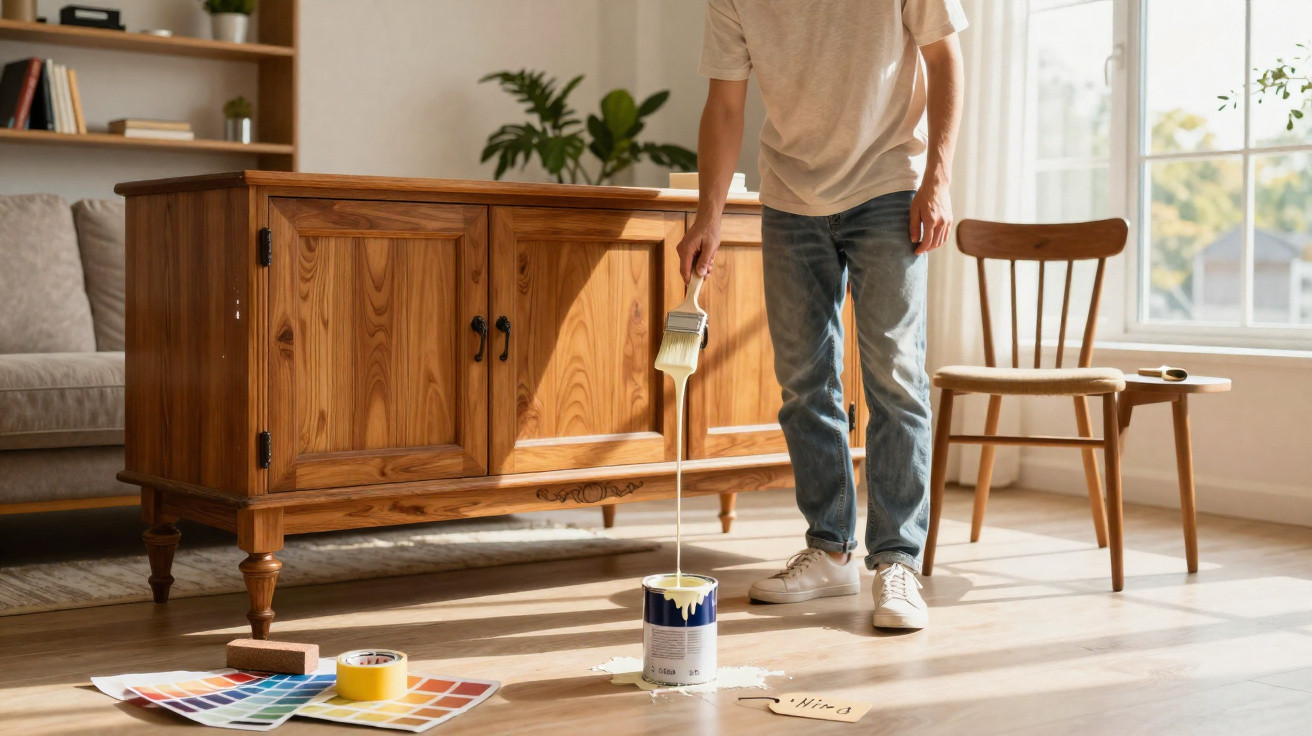
Many DIY enthusiasts reach for a paintbrush too quickly – and end up ruining the most interesting pieces in their home.
With upcycling trends, DIY videos and the desire for a bright, uncluttered home, more and more people are using paint to give old furniture a new look. What is often overlooked is that some pieces can lose almost all of their market value after being painted – and frequently much of their sentimental appeal as well.
Why natural wood is back in fashion
Natural, untreated wood is playing a key part in current interior trends. Decorators are increasingly favouring visible grain, warm shades and handcrafted details. The very qualities many people once considered old-fashioned are now seen as inviting and premium.
“Anyone who simply paints over old furniture is working against the trend rather than with it.”
Rather than automatically painting every dark chest of drawers white, it is worth examining it closely. If a piece is solid wood, well made, perhaps signed or from a particular period, it could be worth considerably more than expected.
1. Heirlooms and antiques: paint erases their history
Furniture with genuine age calls for particular caution: display cabinets, tall cabinets, large sideboards and desks dating from the 19th or early 20th century. Experts repeatedly point out that a modern coat of paint can reduce the value of such pieces by up to 90 per cent.
Collectors and dealers actively look for furniture in its original condition: naturally developed patina, minor scratches and signs of everyday use. These details demonstrate a piece’s age and authenticity. An opaque coat of paint strips furniture of its story.
- Solid timber, often oak, walnut or cherry
- Hand-carved ornamentation or turned-wood detailing
- Original locks and keys
- Glass panels with ripples or bubbles
Even if an inherited farmhouse cupboard does not command a high market price, it often carries substantial emotional value. Once it has been painted, that feeling is difficult to restore: removing a later paint finish takes time and money, and may cause further damage.
2. Mid-century design classics from the 1950s to the 1970s
Chests of drawers on slender legs, narrow sideboards and low wall units: mid-century furniture has been enjoying a revival for years. Pieces made from teak, rosewood or walnut, with clean lines and their original finish, are particularly sought after.
“A sideboard from the 1960s does not gain a penny from being painted mint green – it almost always loses value.”
At first glance, much of this furniture appears understated. Its quality lies in the construction: slim, crisp edges, finely made handles and balanced proportions. Paint disrupts that balance. Collectors are wary of ‘upcycled’ pieces because their origin can no longer be reliably assessed.
If you own furniture like this, there are much gentler ways to update it:
- clean it carefully with mild soapy water
- repair small scratches only where needed
- refresh it with a suitable wood-care oil or wax
- replace damaged handles with period-appropriate replacements
3. Fine woods and outdoor teak: keep the paint away
Whether it is a tabletop with striking grain, an old walnut writing bureau or solid oak furniture, its appeal comes from the material itself. Any stain or opaque paint finish competes with the real star: the wood.
Teak is especially sensitive, particularly when used outdoors. This timber contains natural oils that protect it against the weather. Over time, it develops the characteristic silvery-grey colour that many people specifically seek in garden furniture.
“Painting teak seals the surface, deprives the wood of its natural properties and creates new problems.”
Paint can trap moisture, allowing furniture to rot from the inside, while blistering and flaking can appear on the surface. The result is either an expensive restoration attempt or a trip to the rubbish tip.
Much more sensible options include:
- giving it a thorough clean in spring
- lightly sanding in the direction of the grain where necessary
- using teak oil or a specialist care product instead of opaque paint
4. Veneered furniture, marquetry and elaborate finishes
Many high-quality pieces are not made from solid wood, but from a base material covered with a thin layer of fine timber, known as veneer. Some also feature marquetry: decorative patterns inlaid using different woods or materials.
Painting normally requires the surface to be sanded first. This is where the risk lies: the veneer layer is often only fractions of a millimetre thick. A few overly forceful sanding strokes can cut through the fine surface and expose the material beneath.
“Once veneer has been sanded through, no paint in the world can fix it – the damage remains visible.”
Marquetry also suffers badly when painted. An opaque coating completely hides the painstakingly arranged pattern. This removes not only its visual appeal but also a significant part of its craftsmanship and financial value.
If you are unsure about this type of furniture, have it assessed by a cabinetmaker or restorer. Professional refreshing with shellac, wax or oil is often enough to turn a piece that appears past its best into a focal point again.
5. Delicate materials: rattan, metal, leather and fabric
Some items of furniture are inexpensive to begin with, yet still react poorly to paint. Woven, textile and certain metal surfaces are the main examples.
Woven furniture and rattan
With rattan, wicker or bamboo, paint residue settles deep into the gaps. Over time, the finish flakes away and leaves the furniture looking patchy and neglected. Thorough cleaning or a clear varnish will often produce a far more harmonious result.
Metal with patina
Old lockers, workshop shelving and factory lamps gain their appeal from scratches, rust marks and wear. Their distressed appearance is intentional, not accidental. Opaque paint removes the raw character of these pieces. A better approach is to halt the rust, clean the surface and, if needed, seal it with clear varnish.
Leather and upholstery fabrics
Countless online guides claim that sofas or chairs can be ‘simply painted’. In practice, these experiments often result in stiff, cracked surfaces or uneven patches. Seating comfort suffers, and the covering can hardly be restored properly afterwards.
Update furniture cleverly without a paint roller
Anyone who wants a fresh, on-trend home has plenty of alternatives that will not harm the furniture. One reliable approach is to work around the item rather than directly on its surface.
“The quickest style boost is often not a paintbrush, but the right presentation.”
Measures that typically make a noticeable difference include:
- swapping old handles for simple black, brass-coloured or ceramic ones
- positioning modern lights above the furniture to make it a deliberate feature
- choosing warm-toned walls behind it to show off the wood more effectively
- placing restrained decorative pieces such as ceramic vases, stacks of books or textiles on top
If it is genuinely necessary, the inside of cupboards or chests of drawers can be painted or lined with wallpaper with less risk. This keeps the original exterior untouched while adding an unexpected accent when the piece is opened.
When paint can still be an option
Of course, some furniture is unlikely to suffer much from a coat of paint: plain chipboard shelving, inexpensive chests of drawers with no distinctive features, or heavily damaged items with no apparent quality. In these cases, paint can genuinely rescue something that might otherwise be thrown away.
| Furniture type | Is painting worthwhile? | Better left untouched? |
|---|---|---|
| Ikea chipboard chest of drawers | Yes, with a suitable primer | – |
| Solid farmhouse cupboard from 1900 | Only after expert advice | usually leave unpainted |
| Teak garden bench | No, oil it instead | original grey finish or oiled |
| Teak mid-century sideboard | clear case: do not paint | clean, oil, replace handles |
A practical approach recommended by many interior designers is to choose around 80 per cent of the furnishings in a modern, light and relatively simple style, then add about 20 per cent distinctive vintage pieces in their original appearance. The contrast makes a room more interesting, without anyone needing to pick up a paintbrush.
If you are uncertain, start with small experiments: a loose board, an inexpensive stool or an unimportant side table. That lets you find your own style without sacrificing the most valuable furniture in the process.


Comments
No comments yet. Be the first to comment!
Leave a Comment