
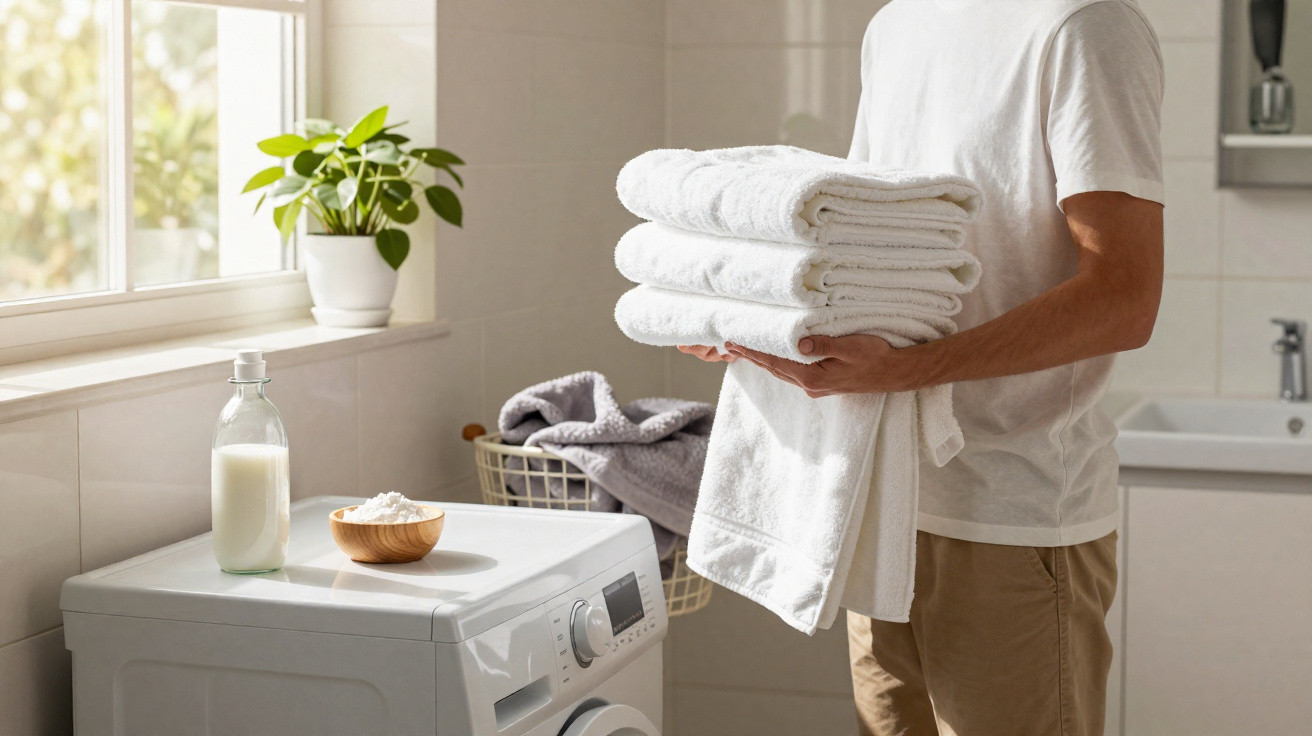
Towels are among the household items most people barely think about. You step out of the shower, dry yourself quickly, hang one up again – job done. Yet hygiene researchers are sounding the alarm: if towels are changed too infrequently, they can effectively become a small germ factory beside the shower.
Why towels quickly become a breeding ground for germs
At first glance, towels seem harmless. After all, they only touch freshly washed skin. That is precisely where many people are mistaken. Even immediately after showering, more is transferred to the fabric than you might expect:
- dead skin cells
- natural skin oils and traces of sweat
- residue from shower gel, shampoo, cream and make-up
This combination remains trapped in the fibres. If the towel is then hung up while damp, it creates ideal conditions for germs. Warmth, moisture and limited air circulation are especially favourable for bacteria and fungi.
A slightly damp towel hanging in a poorly ventilated bathroom can become covered in bacteria in a short time.
Experts report that the number of germs on a wet towel can rise noticeably in a short period. Studies show that bacteria on damp textiles can sometimes double within 20 minutes. The longer the towel remains hanging in a corner, the larger this invisible colony becomes.
People with sensitive skin, eczema, acne or allergies are particularly likely to react to these sources of germs. Those who regularly use inhaled medication can also introduce additional micro-organisms around the face, making a fresh face towel especially important.
How often should you really wash towels?
A familiar household view is: “Bath towels? I just wash them once a week.” Hygiene researchers take a considerably stricter approach. The broad consensus is that they should go into the wash much sooner than many people assume.
Experts suggest the following guidelines:
| Type of towel | Recommended washing frequency |
|---|---|
| Shower towels / bath towels | after 3–4 uses |
| Hand towels by the basin | every 1–2 days |
| Sports and gym towels | after every use |
| Face towels / flannels | change daily |
For someone who showers once a day, these recommendations mean washing bath towels every two to three days. People who sweat heavily, take very hot showers or live in damp homes should generally choose the shorter interval.
The idea that “once a week is enough” is outdated for towels – especially in damp bathrooms with little fresh air.
Conversely, someone living in a very dry home, who always airs towels thoroughly and uses them only after freshly showering, may in some cases wait a little longer. Expert recommendations are intended as an upper limit, rather than a rigid rule.
Factors that affect how often towels need washing
How strict you need to be with towels depends heavily on everyday circumstances. There are several common situations in which more frequent washing makes sense:
- Damp bathrooms: No window, poor ventilation and wet walls after showering mean germs multiply particularly quickly.
- Large families: When several people share a small bathroom, showers often follow one another and the air stays damp for longer.
- Sensitive or affected skin: Anyone prone to spots, eczema, fungal infections or open areas of skin needs reliably clean textiles.
- Allergies: Towels can also hold pollen and dust, so frequent washing lowers exposure.
- Pets in the bathroom: Allowing a dog or cat into the bathroom adds further sources of dirt and germs.
If any of these points apply to you, it is worth increasing the frequency of your own washing routine. Hand towels and face towels in particular should then be machine-washed at short intervals.
How to care for towels hygienically and gently
Washing frequency is only one part of the equation. What happens between washes, and in the washing machine itself, is just as important.
Drying towels properly after every use
The key step comes straight after drying yourself. Simply leaving a towel bunched over a radiator or throwing it onto a hook encourages germs to thrive.
- Spread the towel out rather than folding it over two or three times.
- Hang it on a hook or rail where air can reach both sides wherever possible.
- If the bathroom is very damp, allow the towel to dry in the hallway or bedroom.
- Open the window or switch on the extractor fan until the air is no longer steamy.
The more quickly a towel dries completely, the poorer the conditions are for bacteria and fungi.
The right washing-machine temperature
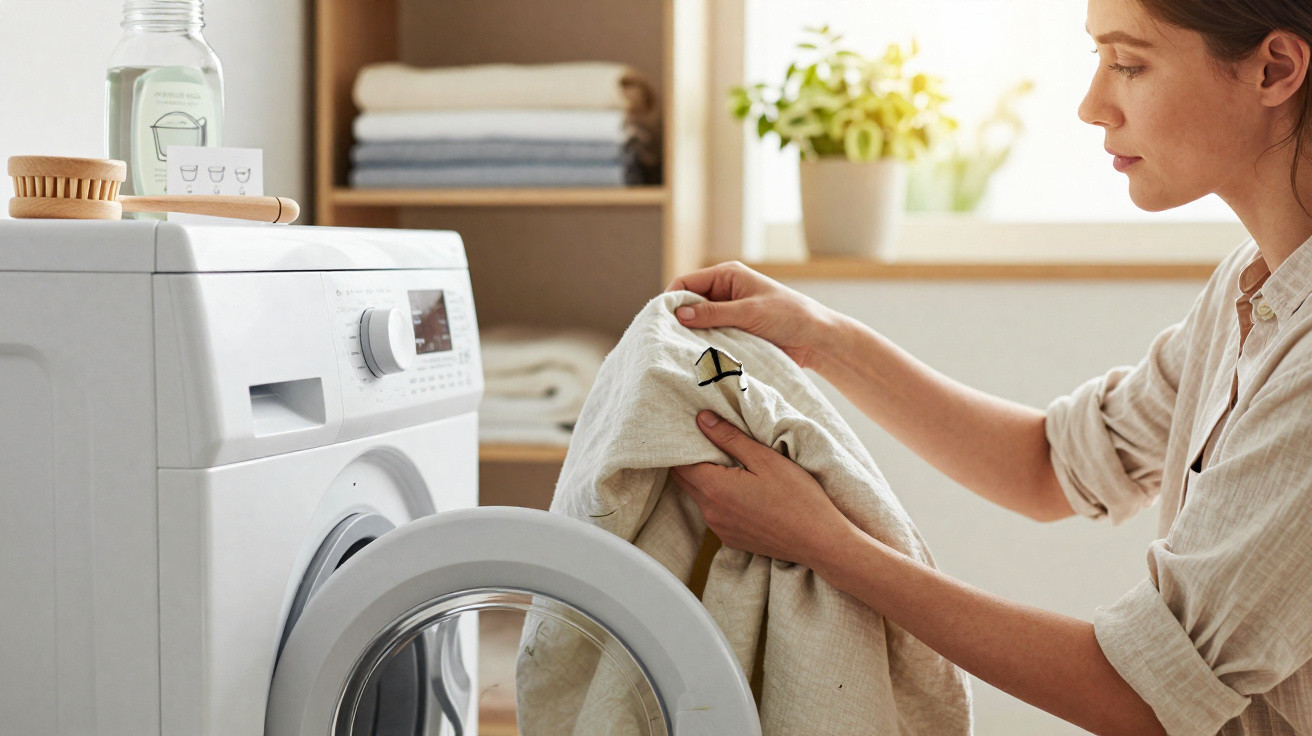
Hygiene researchers generally recommend washing towels at 60°C. At this temperature, most germs are removed reliably. Anyone who normally washes at 30°C or 40°C for environmental reasons should make an exception for towels, particularly in households with:
- young children
- people with weakened immune systems
- open wounds or fresh tattoos
- athletes whose towels are heavily soaked with sweat
Do not pack the machine too tightly, as the textiles will otherwise not be rinsed properly. A heavy-duty detergent containing bleach helps tackle discolouration and many micro-organisms.
Fabric conditioner, vinegar and more: what actually makes sense
Many people automatically use fabric conditioner because it makes towels feel softer. The drawback is that these products coat the fibres like a film, reducing their absorbency. Water is then more likely to run off than be absorbed.
A common household alternative is a splash of white vinegar in the fabric-conditioner compartment. It can reduce odours and limit limescale deposits without coating the fibres. Anyone with sensitive skin should first check whether they tolerate vinegar and use it sparingly.
When towels have reached the end of their life
Even excellent care cannot change the fact that towels eventually wear out. Fibres break down with every wash, leaving the fabric thinner and its texture rougher.
A practical rule of thumb is that towels used intensively should be replaced after around two years. It may be necessary sooner if:
- the towel still smells musty after washing
- the fabric has become noticeably thin or stiff
- stains remain despite a 60°C wash
- its absorbency has clearly declined
Old towels do not have to go in the bin: they can often still be useful as cleaning cloths or car rags, but they should no longer be used on the body.
What many people overlook: towels and skin health
Invisible germs may sound abstract, but their effects are not. Anyone using the same face towel for weeks while washing it only rarely may eventually notice:
- frequent spots in the same places
- redness after drying
- small, itchy pustules on the body
People with acne or sensitive skin in particular report that their condition improves noticeably when they use a clean face towel every day. This is also crucial for razor burn or after cosmetic treatments: otherwise, open pores come into direct contact with a mixture of germs from previous days.
There is also the question of sharing. What seems “practical” between siblings or partners can become a route for germs to spread. Experts clearly advise that everyone should have their own set of towels – ideally in different colours, so they cannot be mixed up.
How to establish simple everyday towel routines
Anyone now thinking, “That sounds like a lot of washing,” can make it manageable with a few simple routines. Useful measures include:
- keeping at least three bath towels and several small face towels for each person
- planning fixed wash days, such as a load of towels every two to three days
- assigning towel colours to each person to prevent mix-ups
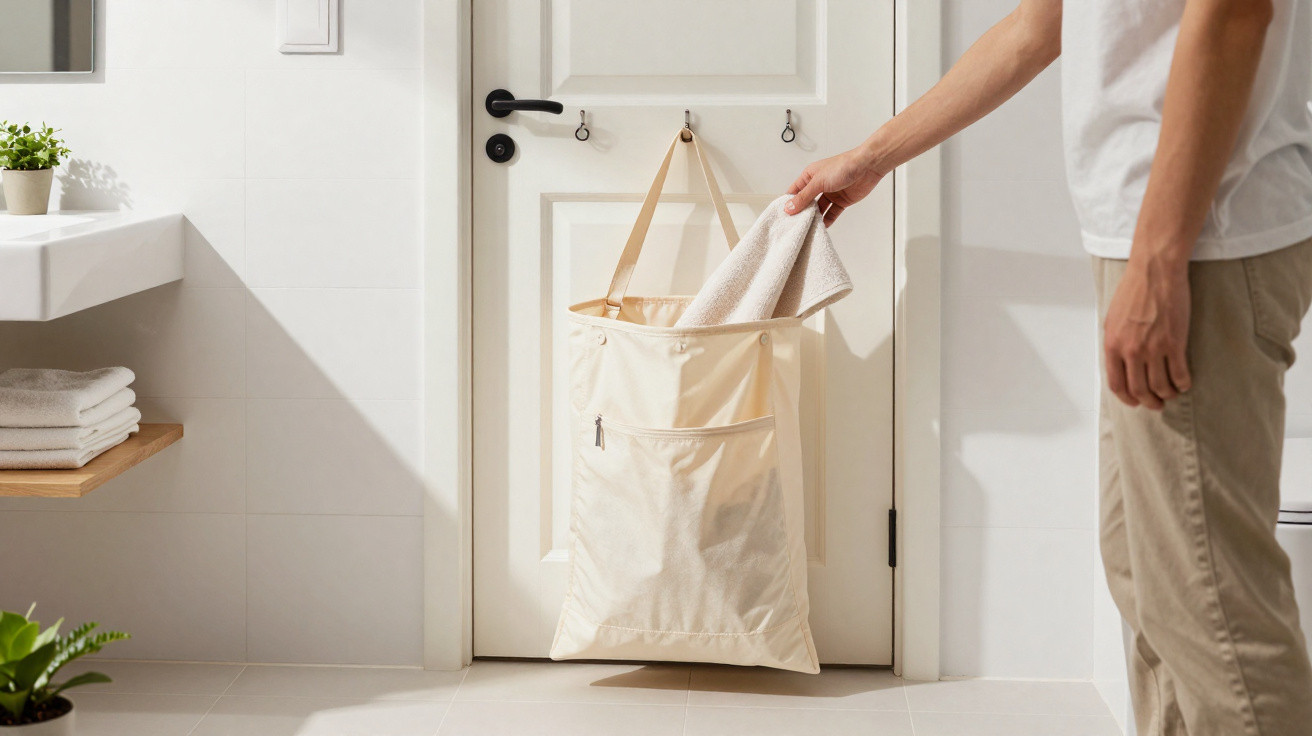
- using a separate laundry basket in the bathroom exclusively for towels
After a short time, this becomes a habit that barely requires any thought. The germ load in the home falls noticeably, and skin often responds with fewer irritations.
A fresh towel takes only a few extra minutes in everyday life – but it can help avoid problems with skin and health.
Letting towels dry thoroughly, washing them more often and replacing old ones in good time creates a simple yet effective everyday barrier of protection. It is neither dramatic nor visible, but it is surprisingly relevant to a healthy home.



Comments
No comments yet. Be the first to comment!
Leave a Comment