
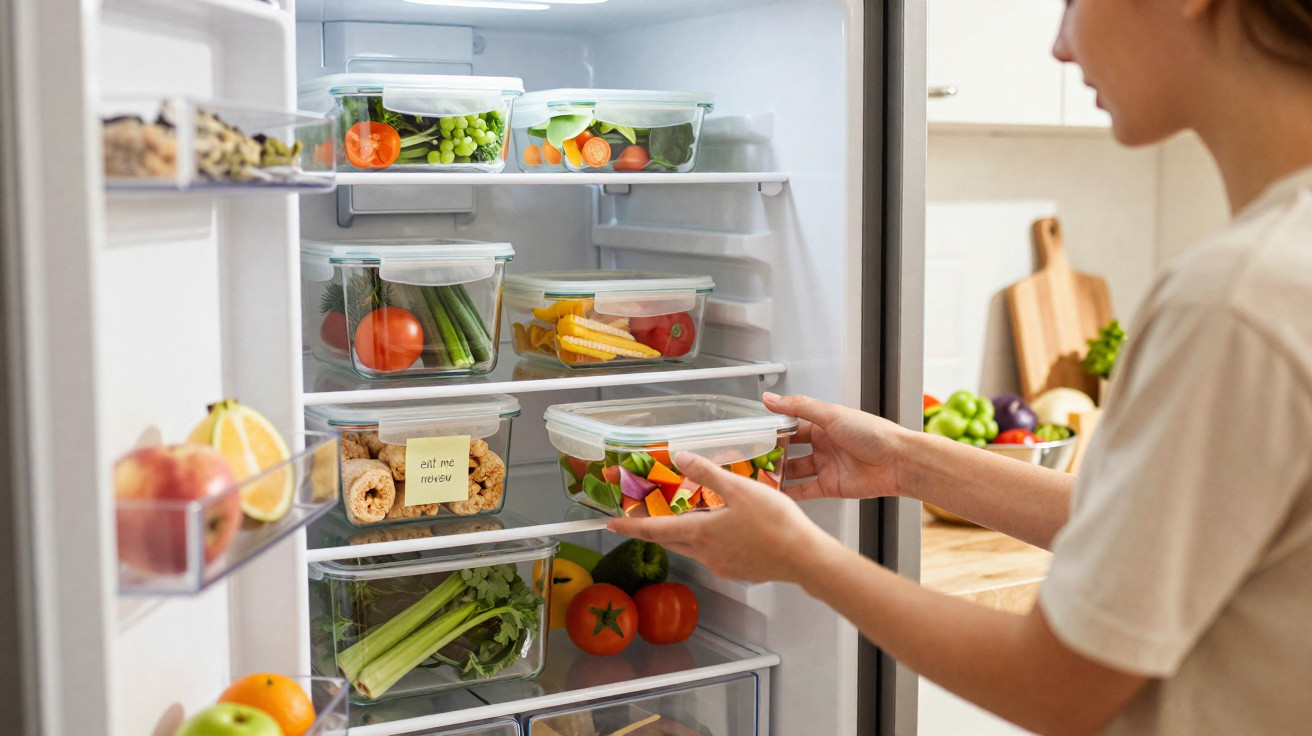
Sarah peers into her fridge at 6 pm on a Tuesday, clutching a tub of leftover pasta that could be three days old - or perhaps five. The yoghurt tucked behind the milk went out of date yesterday, while the peppers at the base of the salad drawer have begun their unavoidable transformation into costly compost. She is far from alone in this everyday cycle of waste and guilt. Millions of households discard food that is still perfectly usable because they lose track of when they bought it. Yet an unexpectedly straightforward answer is right in front of us.
The Overlooked Price of Fridge Disorder
Step into almost any American kitchen and the picture is familiar: a fridge full of good intentions but lacking an effective system. We shop with meal plans in mind, only to watch fresh ingredients turn into scientific specimens. The typical family throws away $1,500 of food each year.
Consider Maria, a working mother in Denver, who realised she had bought the same jar of pickles on three separate occasions because the original one was concealed behind a jumble of condiments. Her weekly grocery spend came to $180, but every Sunday she binned bags of food that had gone off. The contradiction was clear: she was quite literally putting money in the rubbish.
Food is wasted during the unnoticed period between buying it and eating it. Products are shoved to the back, overlooked once newer shopping arrives, or covered by takeaway tubs. The issue is not that we are unconcerned about waste; it is that our storage routines work against us rather than helping us.
The FIFO Fridge Revolution
First In, First Out is more than restaurant terminology - it is a transformative system that makes each fridge shelf work like a conveyor belt. Freshly bought products are placed at the rear, while older ones are brought to the front. That modest adjustment establishes a natural rotation that prevents food from being forgotten.
In reality, no one wants to play Tetris with their groceries whenever they return from the shops. FIFO is effective because it is uncomplicated: rather than rearranging the whole fridge, you simply choose the placement of new food carefully. Within a week, it can feel automatic.
“I started treating my fridge like the restaurants I used to work in, and suddenly my family wasn’t finding mystery leftovers anymore. It’s not rocket science, but it works like magic.”
The basics for FIFO success are:
- Transparent containers that make their contents and dates easy to check
- A straightforward labelling method showing purchase or preparation dates
- Set areas for individual categories of food
- A weekly stock check before going grocery shopping
Creating Long-Term FIFO Food Storage Habits
The people who succeed most with FIFO do more than sort out their fridges - they rethink food storage from the ground up. Begin with a single shelf or drawer, then extend the approach once it feels routine. Rome was not built in a day, and an ideally organised fridge will not be either.
| Key point | Detail | Value for the reader |
|---|---|---|
| FIFO rotation system | New items to back, old items forward | 40% reduction in food waste |
| Clear storage containers | See-through bins and proper labelling | Instant inventory visibility |
| Zone organisation | Designated areas for specific food types | Faster meal prep and planning |
FAQ:
- How long does it take to see results with FIFO? Most households see less waste during the first two weeks, while the complete benefits emerge after a month of regular use.
- Do I need special containers to make this work? Clear containers are useful, but you can begin with the containers you already own. Visibility and reliable rotation are what matter most.
- What if my family doesn’t follow the system? Begin with foods that are often wasted, such as fresh produce and leftovers. When others notice the advantages, they will naturally start using the method.
- How do I handle bulk purchases with FIFO? Keep surplus items in a cupboard or another storage area, transferring them to the main fridge only when space becomes available at the front.
- Can this method work with meal prep? Absolutely. Label your prepared-food containers with dates and rotate them as you would all other foods - placing the newest at the back.

Comments
No comments yet. Be the first to comment!
Leave a Comment