

New findings, however, cast serious doubt on this rule of thumb.
Governments, energy advisers and landlords have long promoted the same indoor temperature: 19 degrees. It has been presented as environmentally conscious and economical. Yet does everyone genuinely feel comfortable at that temperature – and does the calculation still hold in modern buildings? Energy and health specialists now argue that the rigid 19-degree rule no longer reflects the reality of many households.
How the 19-degree rule came about
The recommendation dates back to the 1970s, when oil crises and fears of energy shortages shaped policy. Governments wanted simple messages for the public: turn down the heating, reduce consumption, and the issue is solved. Nineteen degrees became a symbol of frugality rather than an ideal temperature for comfortable living.
The problem is that the figure was applied across the board, regardless of whether someone lived in a draughty older property in northern Germany or a well-insulated new build in South Tyrol. Variations in climate, building standards and lifestyles were overlooked.
Energy experts now regard 19 degrees more as a political compromise than a medically or technically optimal comfort temperature.
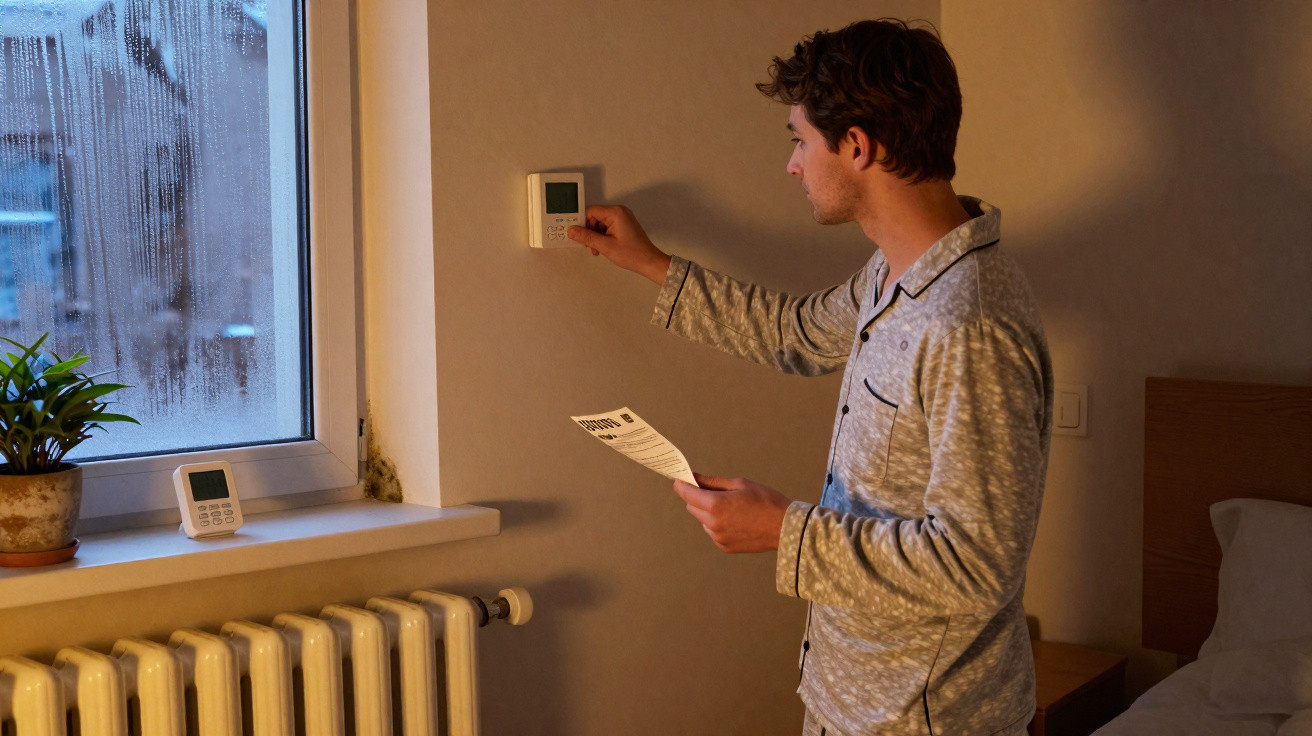
Anyone who spends much of the day sitting down, keeps the heating low or lives in a poorly insulated flat will often feel cold despite using the “officially” correct setting.
Why 19 degrees feels too cold for many people
Whether a room feels warm or cold depends on more than the thermostat reading. Several aspects work together:
- Insulation: Thin walls, old windows and ill-fitting doors allow cold air in and heat out. An air temperature of 19 degrees can then feel more like 17.
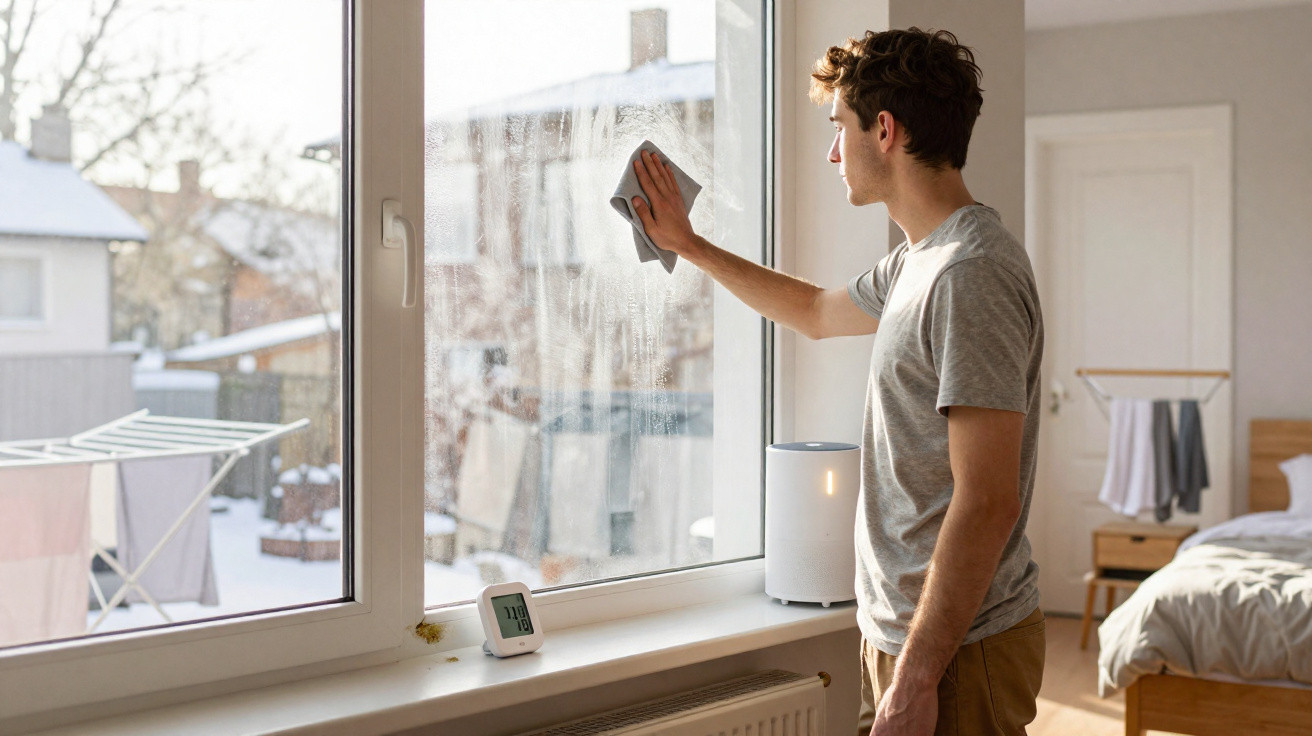
- Humidity: Very dry air can intensify the sensation of cold. The body loses more moisture, and the skin feels cold more quickly.
- Activity: Movement generates body heat. Someone sitting at a desk often needs one or two additional degrees to avoid feeling chilly.
- Clothing: Wearing a T-shirt on the sofa in winter is very different from cooking in a thick jumper.
- Individual physical makeup: Older people, children and those with low blood pressure are more sensitive to cold.
This is precisely why many specialists challenge fixed recommendations. A single value for everyone disregards the major differences between living situations. An older person living alone in a poorly insulated flat has different needs from a family of four in a KfW energy-efficiency home.
20 degrees as the new comfort standard
An increasing number of experts now suggest 20 degrees as a sensible target for living rooms and other occupied spaces. It may sound like a minor difference – only one degree – but it has noticeable everyday effects.
- A clearly warmer feel: At 20 degrees, many people feel properly comfortable for the first time, without needing a blanket or extra jumper. The risk of becoming thoroughly chilled is reduced.
- Health-related comfort: People who sit for long periods, work from home or feel cold quickly benefit from the extra degree. The body has to compensate less, placing less strain on the circulation.
- Technical support: Modern thermostats and smart heating systems can maintain 20 degrees very accurately and switch off automatically once the desired temperature has been reached.
It is often claimed that every extra degree costs a fortune. The basic principle is correct: a higher temperature requires more energy. What matters, however, is how well insulated the building is and how intelligently the heating is controlled. In a properly refurbished home, increasing the setting from 19 to 20 degrees can remain financially manageable – particularly when the heating is used more efficiently and the property is ventilated correctly.
How much one extra degree really costs
As a broad guide, energy advisers estimate around 6% additional consumption for every extra degree. Measures such as improved insulation and timed programmes can substantially reduce this effect.
| Starting situation | Temperature | Effect |
|---|---|---|
| Poorly insulated older property, no controls | 19 → 20 °C | Noticeable additional consumption; warm air escapes quickly |
| Partly modernised flat with thermostat | 19 → 20 °C | Moderate increase, heavily dependent on heating times |
| Well-insulated new build with smart controls | 19 → 20 °C | Often only a small increase in consumption, with significantly greater comfort |
Different temperatures for different rooms
Another misconception is that every room needs to be equally warm. In practice, it makes sense to set a clear temperature strategy for each area of the home.
- Living room and home office: Around 20 degrees provides a comfortable baseline for watching television, playing with children or desk-based work.
- Bedroom: 16 to 18 degrees is usually sufficient. The body tends to sleep more peacefully in slightly cooler air, provided the duvet is appropriate for the season.
- Bathroom: A short-term temperature of 21 to 22 degrees while showering or bathing improves comfort; it can then be lowered again afterwards.
- Hallways, storage rooms and larders: 15 to 17 degrees is often enough. These areas are generally used only for passing through or storage.
Those who create targeted temperature zones instead of turning up the heating everywhere usually achieve more comfort with the same, or even lower, consumption.
Thermostatic radiator valves make it easier to maintain these differences without constant adjustment. Electronic thermostat heads and smart heating controls offer even greater precision by taking schedules and habits into account.
Tips for maintaining 20 degrees efficiently
A comfortable living space at around 20 degrees does not have to become a financial burden. A few practical measures can keep costs under control.
- Check insulation: Seal draughts around windows and doors, close shutters at night, and insulate the loft and cellar ceiling where possible.
- Use programmable thermostats: Lower the heating during the day when no one is at home, then raise it again in good time before returning.
- Ventilate briefly rather than leaving windows ajar: Open windows fully for 5–10 minutes several times a day, turning down radiators while doing so.
- Keep radiators unobstructed: Do not position heavy curtains, sofas or chests of drawers directly in front of radiators, so warm air can circulate freely.
- Arrange maintenance for the system: Bled radiators, cleaned filters and serviced boilers operate more efficiently and reach the target temperature faster.
Who benefits most from 20 degrees for health reasons
Not everyone copes well with 19 degrees. For some people, a home that is too cool may even pose a risk.
- Children: Their bodies lose heat more quickly, they spend a great deal of time playing on the floor, and they often notice cold only late.
- Older people: Metabolism slows down, sensitivity to cold decreases, and the circulation and immune system are more vulnerable.
- People with chronic illnesses: Those with cardiovascular problems or respiratory conditions, for example, can be particularly sensitive to temperature-related stress.
Rooms that are too cold can dry out mucous membranes, encourage infections, worsen joint pain and affect blood pressure. For households with particularly vulnerable people, 20 degrees in the main living area is therefore often closer to a minimum than a maximum.
How to find your own personal comfort temperature
There is no single ideal setting for everybody. A realistic range is more useful: most people are comfortable at between 19 and 21 degrees in living spaces, with a somewhat lower temperature in the bedroom. Anyone who is constantly cold should not endure 19 degrees for months out of guilt, but should consider the following:
- Where are the draughts in the room?
- How humid or dry is the air (use a hygrometer)?
- What clothes do I actually wear at home every day?
- How long do I spend in each room?
A practical method is to vary the temperature slightly on individual days and pay attention to how your body feels. Notes on a phone or a piece of paper can reveal a pattern: when do you feel cold, when do you overheat, and when does the temperature feel right?
Practical everyday examples
People working from home can position their desk closer to an internal wall, avoid blocking radiators and choose clothing that is homely yet warm. In older properties, rugs can help with cold feet, while temporary sealing strips around windows reduce draughts. In new builds with underfloor heating, a correctly configured heating circuit ensures that 20 degrees is distributed evenly without the need for continual readjustment.
Ultimately, a blanket 19-degree recommendation now appears outdated. Those who plan room temperatures sensibly, keep insulation in mind and use modern control technology can afford 20 degrees – and finally feel truly comfortable in their own home.



Comments
No comments yet. Be the first to comment!
Leave a Comment